
The 3 Conversations Every Seller Should Have First
Most sellers start the process by searching “how much is my home worth” online. That’s understandable but it’s a little like diagnosing yourself before talking to a doctor. Before any of the exciting parts begin, there are three conversations worth having. They’re not complicated. But they change everything.
1. The Conversation With Your Finances
Selling a home isn’t free. Between agent commissions, closing costs, potential repairs, and moving expenses, the gap between your sale price and what actually lands in your bank account can surprise even experienced sellers.
Before anything else, sit down with your mortgage statement and calculate your payoff amount (what you still owe). Then factor in roughly 8 to 10% of the sale price for the cost of selling. What remains is your equity, and that number should drive your decisions about pricing and timing.
If you’re buying somewhere new, talk to a lender first. Knowing your purchasing power determines whether you need to sell before you buy or whether a contingency offer could work in your favor.
Pro tip from Team Fasnacht: Ask us for a seller’s net sheet early. It estimates your proceeds based on a likely sale price and takes the guesswork out of your financial picture before you’re emotionally invested in a number.
2. The Conversation With Your Timeline
There’s a version of selling where you move on your own schedule and a version where the market moves you. Knowing which situation you’re in changes your strategy significantly.
Ask yourself: Do you have a hard deadline? A job relocation, a school district cutoff, a divorce settlement, or a new home purchase closing in 60 days creates urgency that affects pricing strategy. Urgency typically means pricing sharper to attract faster offers.
If you have flexibility, you can be more patient. Prep the home properly, wait for the right season, and hold firmer on price. Understanding your real timeline, not just your ideal one, is one of the most clarifying conversations you can have.
Something to consider: Spring and early fall are traditionally strong seller’s markets in most regions, but local conditions matter more than national trends. We can pull 12 month data on your specific neighborhood including days on market and list to sale price ratios to help you time it right.
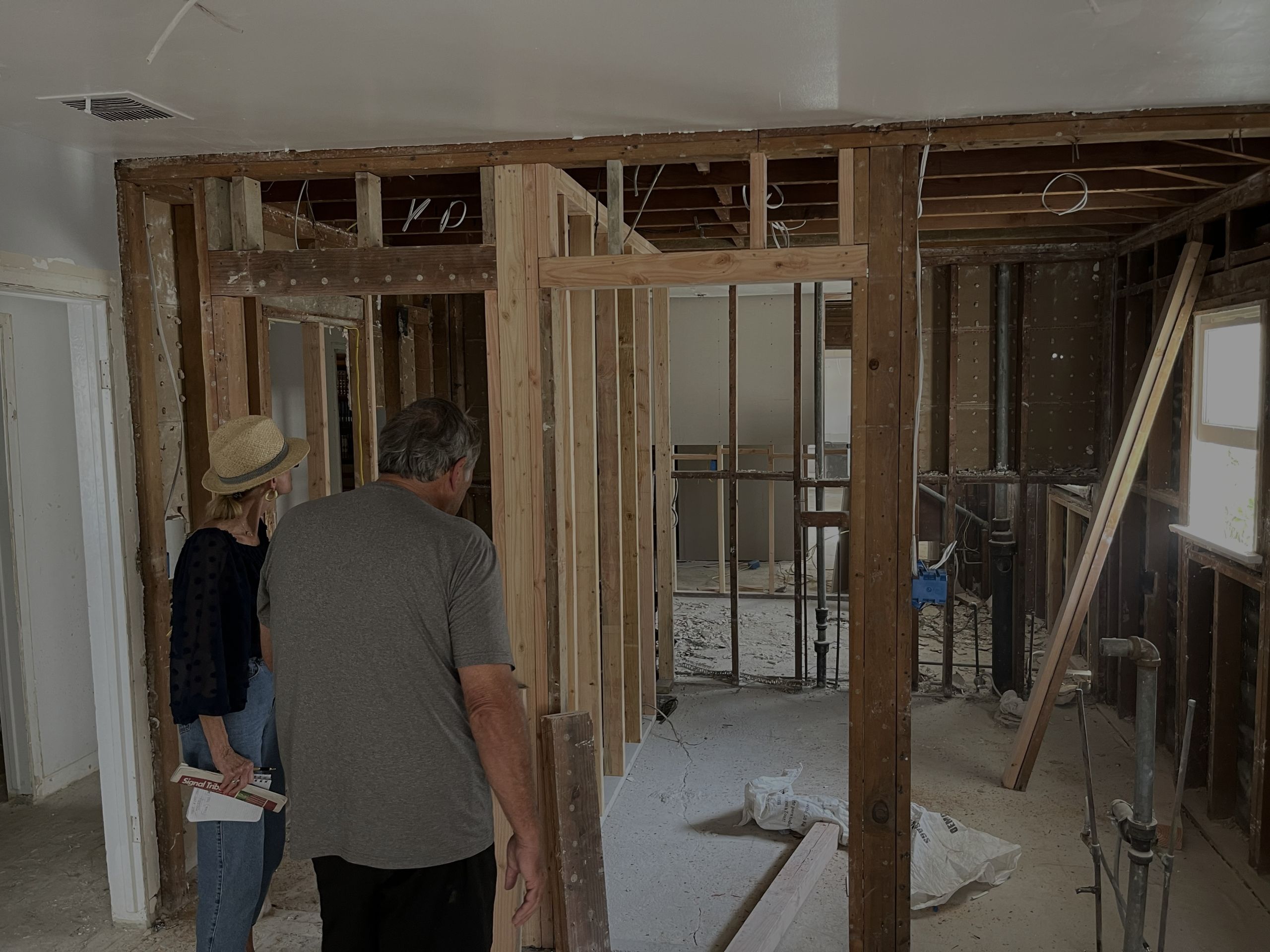
3. The Conversation With Your Home
Walk through your home with fresh eyes. Better yet, walk through it imagining you’re seeing it for the very first time. What do you notice? What would give a buyer pause?
Buyers make emotional decisions first and rational ones second. First impressions including curb appeal, the entry, natural light, and smells carry enormous weight. A few hundred dollars spent on cleaning, touch up paint, and decluttering routinely returns multiples at closing.
That said, not every repair is worth making. Cosmetic updates like fresh paint, new hardware, and professional staging nearly always add value. Structural or mechanical repairs are more situational. Sometimes disclosing the issue and pricing accordingly is smarter than spending $8,000 on something buyers may still negotiate on.
Let us walk the home with you before listing. We know what buyers in your price range are actively looking for and where the real return on investment is.
Worth knowing: A pre listing inspection is optional but powerful. It lets you find and address issues on your own terms rather than being blindsided during a buyer’s inspection when you’re already under contract and under pressure.
None of these conversations are complicated. But sellers who have them before listing move through the process with more clarity, fewer surprises, and more often than not, better outcomes. The goal isn’t just to sell your home. It’s to sell it well.
Ready to talk through all three? Team Fasnacht Realty Group is here whenever you are.
562.243.5948
DRE#02051365